As a freelancer in tech, your portfolio website is one of your most vital selling points. Without web development skills, building a solid website from scratch is challenging. But, using the right content management system (or CMS) can give you an eye-catching website despite minimal coding skills.
But how do you decide which content management system will give you optimum results? There are several options on the market, each with perks and disadvantages, so certain requirements will determine what’s best for you. Here are some things you should consider before choosing a content management system as a freelancer.
1. Size and Nature of the Project

Every CMS has its specialty, best uses, pros, and cons. Depending on your portfolio’s nature and job description, your CMS requirements may differ. Typically, designers need a media-focused portfolio, while a developer or writer may only require a small image or video content.
Of course, general content management systems exist, but some are specifically tailored to showcase portfolios. A few great examples are Squarespace[1] and Wix[2]. You also have to consider the size and complexity of your intended portfolio website. For bigger sites, go for a CMS that supports growth and scalability.
2. Ease of Maneuvering
Unless you’re a developer, you’re building your portfolio website with zero coding skills. Hence, a CMS that requires extensive coding will ultimately render little to no assistance to you, so this is something to watch out for.
Choice software should offer maximum functionality and features while remaining beginner-friendly and simple to use. Several courses and guides explain using the most popular content management systems[3] like WordPress[4] and Joomla[5] for easier maneuvering.
3. Plugins
Imagine the frustration and disappointment you’d feel buying a gadget and finding that you cannot download your favorite apps. No matter how advanced it is, you probably won’t get much use out of that device. Similarly, plugins revamp your website from a boring page to a more interactive, modern site with extra functionality.
Plugins like WPForms allow you to create beautiful, aesthetic contact forms with little or no coding background. Also, you have options for better SEO, email subscriptions, social share buttons, and even reduced site loading times. Again, WordPress is one of the best content management systems for plugins, with thousands available at your disposal, both free and paid.
4. SEO Compatibility
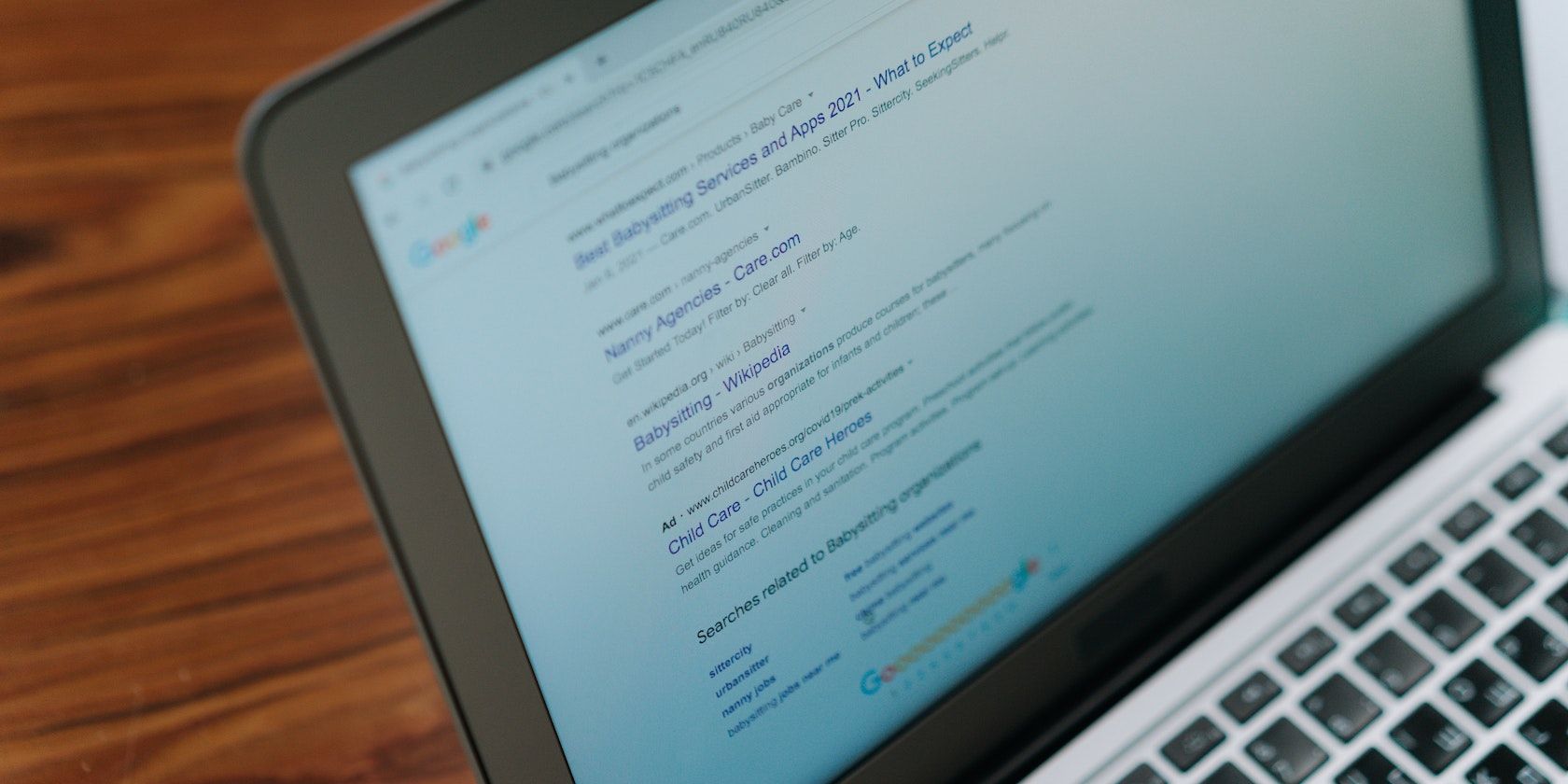
It’s no secret that SEO (search engine optimization) rules the internet. Irrespective of the platform, whether it’s search engines like Google or social media, your SEO integration determines how well you rank. So, to ensure your portfolio website ranks high in search results, use a CMS with the best SEO features.
Some key features you should look out for include URL settings to keep your links short and descriptive, navigation menus, and analytics tools to monitor activity on your site. CMS Hub and WordPress are the two top content management systems for SEO compatibility.
5. Customization
Creating a portfolio website that stands out is a primary marketing strategy for any freelancer. Thus, a good CMS must allow you to customize and improve important SEO features like keywords, titles, and meta descriptions.
Furthermore, physical features like user interaction, responsiveness, themes, and design largely reduce bounce rates. To keep your clients fixated on your portfolio website, pick a CMS that allows you some creative liberty. Most open-source software[6] gives the users control of their websites, so this is an excellent yardstick to base your choices.
6. Availability of Updated Versions
How often does your content management system get updated? An outdated CMS will naturally produce obsolete websites; therefore, ensure the CMS you choose gets frequent version updates.
Moreover, check the accessibility of the updated versions and the developers’ capabilities. If your CMS constantly has bugs, chances are your website will also develop issues.
7. Vulnerability and Security

Portfolio websites go a long way in polishing your professional image as a freelancer, but they equally cause extreme damage when hacked. For this reason, consider your CMS’s security systems before building your website with it.
Unfortunately, despite their advantages, plugins and open-source features increase vulnerability. On the other hand, content management systems with multi-factor authentication and user permission are a big hit for website security.
Also, look out for SSL certification. Although it costs money, there are numerous reasons your site needs an SSL certificate[7], from better security to improved rankings and more.
8. Cost of Maintaining the Website
Most content management systems are free, but extra costs are usually incurred to keep the site up and running. For example, WordPress and Joomla permit you to build your site at no cost, but domains, hosting, and extensions can be expensive. Beautiful themes are necessary for portfolio websites, and while there are many free options, the best ones come at a price.
In a nutshell, the more complex your website and the more functionality it has, the more it’ll cost. So, calculate your overhead costs and compare your findings across different content management systems before deciding.
9. Response Time of the Website
Your chances of scoring clients reduce drastically the longer your website’s response time. Several studies show that most internet users exit pages that fail to load within a handful of seconds. Luckily, any solid CMS will give you good results if you adhere to a few basic rules.
Choose a CMS with good hosting providers and image file compression to maintain high website performance and speed. Also, look out for JavaScript and CSS minification, a process that deletes needless CSS and JavaScript code that could slow down your site.
Other helpful additions include GZIP compression and plugins for speed optimization[8]. However, excessive plugins still contribute to slowness, so ensure they’re high-quality and indispensable.
10. Community and Support

Professional developers will tell you that building a good site is almost impossible without encountering a few problems. When you run into bugs and errors, you’ll likely need a helping hand. Consequently, your chosen CMS determines how fast you can access help and support.
Open-source content management systems usually have a large community of contributors and users you can contact when necessary. Finally, although exploring is good, sticking to an older, popular CMS is more advisable. This way, contrary to less known software, there’s a world of resources at your disposal when you need help.
Take Your Website to the Next Level With CMS
Basic portfolio websites are now a thing of the past for every freelancer. Content management systems allow you to create the portfolio website of your dreams with little to no coding required. Still, after selecting your CMS, you must have stellar content and avoid common portfolio mistakes for the best results.
References
- ^ Squarespace (www.squarespace.com)
- ^ Wix (www.wix.com)
- ^ most popular content management systems (www.makeuseof.com)
- ^ WordPress (wordpress.org)
- ^ Joomla (www.joomla.org)
- ^ open-source software (www.makeuseof.com)
- ^ reasons your site needs an SSL certificate (www.makeuseof.com)
- ^ plugins for speed optimization (www.makeuseof.com)